Common factors that cause weight gain due to excess water
Water retention can be caused by several factors, including high sodium intake, dehydration, physical inactivity, and hormonal fluctuations. Eating processed foods, often high in sodium, can lead to increased water retention. Furthermore, dehydration can cause the body to retain water as a protective mechanism. Hormonal changes, such as those occurring during menstruation or pregnancy, can also lead to temporary weight gain.
The impact of diet and lifestyle on water retention
Diet and lifestyle play a significant role in water retention. A diet high in processed foods and low in fresh fruits and vegetables can contribute to water retention. Furthermore, a sedentary lifestyle can exacerbate the problem, as regular exercise stimulates circulation and reduces fluid retention. Stress and lack of sleep can also affect hormone levels, which in turn can contribute to water retention.
Recognizing the symptoms of excess water in the body
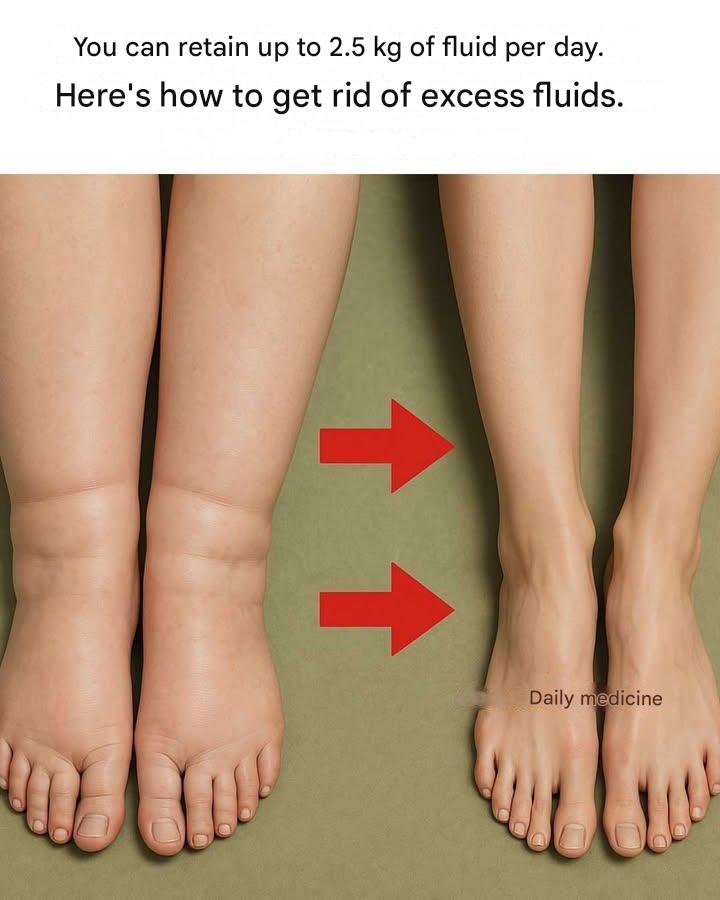
Symptoms of excess fluid include bloating, swelling of the face, abdomen, and limbs, and a feeling of heaviness. You may notice that your clothes are tight or you have difficulty removing rings from your fingers. Swelling in the legs, ankles, and feet is also common, especially after prolonged sitting or standing.
Health consequences of fluid retention
While water retention itself isn't a serious health issue, it can be bothersome and indicate underlying health problems. Chronic water retention can be a symptom of kidney disease, heart failure, or liver failure. It can also lead to increased blood pressure and stress on the cardiovascular system. Therefore, it's important to address the underlying causes and effectively treat water retention.
Top 10 weight loss tricks
To lose excess water weight, you need to make dietary and lifestyle changes that support a healthy fluid balance. Here are ten effective strategies to help you reduce water retention and feel better.
Tip 1: Increase your water intake
It may seem counterintuitive, but drinking more water can actually help reduce water retention. When you're dehydrated, your body retains water to prevent further dehydration. By staying hydrated, you signal your body to get rid of excess water.
Tip 2: Limit your sodium intake
Sodium is a key factor in water retention. Limiting your intake of sodium-rich foods, such as processed snacks, canned soups, and fast food, can help with weight loss. Choose fresh, whole foods and season your meals with herbs and spices.
Tip 3: Include potassium-rich foods in your diet
Potassium helps balance sodium levels in the body and may help reduce water retention. Potassium-rich foods include bananas, avocados, sweet potatoes, and spinach. Including them in your diet can help maintain healthy fluid balance.
Tip 4: Exercise regularly
Exercise stimulates blood circulation and lymphatic drainage, reducing water retention. Aim for at least 30 minutes of moderate-intensity exercise most days of the week. Activities like walking, cycling, and swimming are excellent choices.
Tip 5: Try a low-carb diet
Carbohydrates are stored in the muscles and liver as glycogen, which binds water. Restricting carbohydrate intake can lead to reduced glycogen stores and, consequently, water loss. However, it's important to maintain a balanced diet and not eliminate carbohydrates completely.
Tip 6: Use natural diuretics
Certain foods and drinks act as natural diuretics, helping to expel excess water from the body. These include dandelion tea, green tea, and foods like cucumbers and asparagus. Including them in your diet can help reduce water retention.
Tip 7: Optimize your sleep schedule
Adequate sleep is essential for maintaining hormonal balance, which can affect fluid retention. Aim for 7-9 hours of quality sleep per night to support overall health and fluid balance.
Tip 8: Manage your stress levels effectively
Chronic stress can lead to high levels of cortisol, a hormone that increases water retention. Practicing stress reduction techniques like yoga, meditation, and deep breathing can help manage stress and reduce water weight.
Tip 9: Monitor your hormone balance
Hormonal imbalances, especially those related to estrogen and progesterone, can lead to water retention. If you suspect hormonal issues, consult your doctor to discuss possible treatments or lifestyle changes that may help.
Tip 10: Consider seeking professional advice
If water retention persists despite lifestyle changes, it may be helpful to consult a doctor. Your doctor can help identify underlying health issues and recommend appropriate treatments or interventions.
Conclusion: Maintain a healthy balance
Managing weight due to excess fluid intake requires a combination of dietary and lifestyle changes that promote a healthy fluid balance. Understanding the causes and implementing these strategies can reduce water retention and improve overall well-being. Remember, if you have concerns about persistent weight gain due to excess fluid intake, consult your doctor to rule out any underlying health issues.