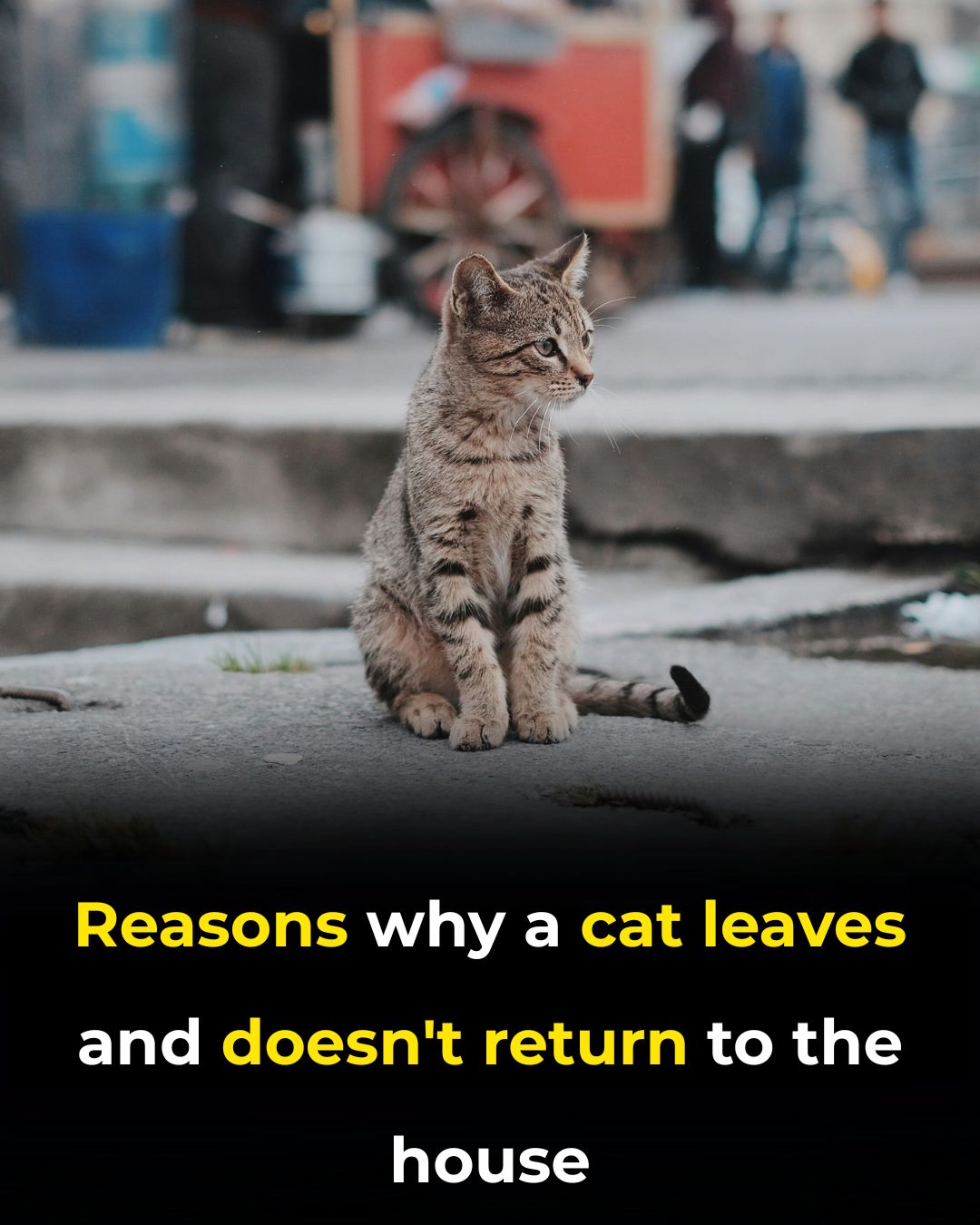
It’s a heartbreaking mystery many pet owners face: one day your cat wanders out the door and simply doesn't come back. While we like to think of them as pampered roommates, cats retain deep-seated instincts that sometimes lead them away from the porch.
Here is a breakdown of the primary reasons why cats leave home and what you can do to keep them safe.
Why Cats Wander Off
1. The Call of Nature (Mating)
If your cat isn't spayed or neutered, their biological drive is the number one reason for a disappearance. An intact male can smell a female in heat from over a mile away and will face traffic, predators, and territory fights to reach her. Similarly, females will wander far to find a mate.
2. Hunting and Exploration
Cats are "crepuscular" hunters, meaning they are most active at dawn and dusk. A simple chase after a mouse or a bird can lead them several blocks away. Once the adrenaline wears off, they may find themselves in unfamiliar territory or blocked by a neighbor’s fence or a busy road.
3. Stress and Environmental Changes
Cats are creatures of habit. Significant changes at home can make them feel "evicted" or unsafe. Common triggers include:
-
Moving to a new house.
-
The arrival of a new baby or a new pet.
-
Loud construction or renovations.
-
Consistent conflict with another animal in the home.
4. Seeking a "Second Home"
Sometimes, a cat isn't lost—they’ve just found a better deal. If a neighbor is putting out high-quality wet food or offering a quieter nap spot, your cat might start splitting their time until they eventually just stay where the "room service" is better.
5. Illness or Injury
There is an old myth that cats go away to die. While they don't consciously choose to leave to spare your feelings, an injured or sick cat will instinctively seek out a dark, quiet, and secluded place to hide while they feel vulnerable. Unfortunately, this often means they hide too well to be found.
How to Prevent Your Cat from Disappearing
-
Spay or Neuter: This is the most effective way to reduce the urge to roam.
-
Microchipping: Collars can fall off; a microchip is a permanent "ID card" that any vet or shelter can scan.
-
Enrichment: Use "catios" (enclosed patios) or window perches to give them a taste of the outdoors without the risk.
-
Pheromones: If your home is stressful, use calming diffusers to help them feel secure in their own space.
Pro Tip: if your cat goes missing, place their used litter box outside. The scent is incredibly strong and unique to them, acting as a "scent beacon" that can help them navigate back home from blocks away.