Observational studies frequently link higher vitamin D levels to lower risks for specific cancers, such as colorectal (strongest association), and possibly bladder or others. Some analyses show reduced cancer mortality (e.g., 13% lower in certain meta-analyses of trials).
Randomized trials, however, often find no overall reduction in cancer incidence from supplementation. A few report benefits in secondary outcomes, like lower advanced cancer risk (e.g., metastatic or fatal cases, particularly in normal-weight individuals). Evidence is mixed—no consistent proof that supplements prevent cancer broadly, though maintaining adequate levels supports general health.

Actionable Tips to Support Healthy Vitamin D Levels
Here are practical steps to consider:
- Get safe sun exposure: Aim for midday sunlight on arms and face a few times weekly (avoid burning; use protection for longer exposure).
- Incorporate vitamin D-rich foods: Add fatty fish 2–3 times weekly, or choose fortified options daily.
- Consider testing: A simple blood test measures 25-hydroxyvitamin D—discuss with your doctor if you’re at risk (e.g., limited sun, darker skin, older age).
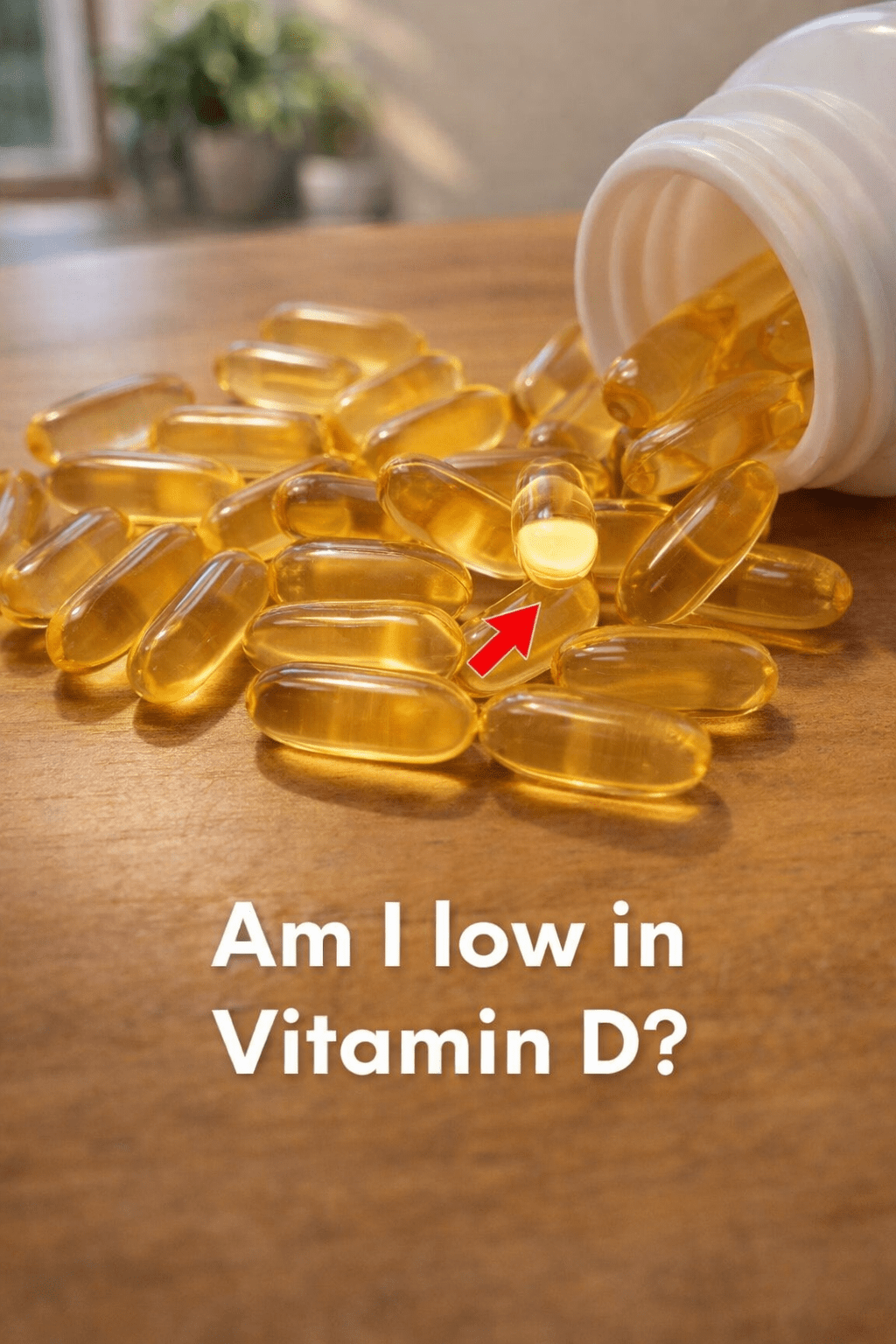
- Supplement thoughtfully: If levels are low, your provider may suggest 600–2000 IU daily (or higher short-term), but avoid megadoses without guidance.
- Combine with lifestyle: Pair with calcium-rich foods and exercise for bone and overall benefits.
But that’s not all… The most interesting part? Many experts emphasize that while vitamin D shows promise in supporting health across these areas, the best outcomes often come from addressing deficiency early through balanced habits—sun, diet, and professional advice—rather than relying solely on supplements.
Frequently Asked Questions (FAQ)
How much vitamin D do I need daily?
Guidelines suggest 600 IU for adults up to 70, and 800 IU over 70, though some experts recommend higher for sufficiency (e.g., to reach 30+ ng/mL blood levels). Needs vary by individual factors.
Can I get too much vitamin D?
Yes—excess from supplements (rare from sun or food) can cause high calcium levels, nausea, or kidney issues. Stick to recommended amounts unless advised otherwise.
Should everyone supplement vitamin D?
Not necessarily. Test first if concerned about deficiency. Supplementation helps many, especially in low-sun regions, but isn’t a one-size-fits-all solution.
Disclaimer: This article is for informational purposes only and not medical advice. Vitamin D research evolves, and individual needs differ. Consult a healthcare professional before changing diet, testing, or starting supplements, especially with existing conditions or medications. They can provide personalized guidance based on your health profile.