Many people think of naps as a luxury or a sign of laziness. But science paints a very different picture. A short daytime nap may actually help your brain recharge, improve memory, boost alertness, and sharpen mental performance. Research reviews and sleep experts say naps can support several aspects of cognition, especially when they are short and timed well.
One of the most interesting benefits of napping is its effect on memory. Studies have found that naps can help with memory consolidation, which is the process your brain uses to strengthen and organize what you have learned. A 2020 study reported that a daytime nap restored hippocampal function and improved the ability to learn new information, while broader reviews have linked naps with improvements in long-term memory formation.
Naps may also improve attention and mental clarity. The Sleep Foundation says a nap can improve cognitive functions such as memory, logical reasoning, and the ability to complete complex tasks. Harvard Health also notes that even a brief nap may help boost learning, memory, and creative problem-solving.
That is why many people feel mentally “reset” after a good nap. You may notice that after resting briefly, you are more aware of what is happening around you, quicker to react, and better able to focus. In that sense, napping can help support how you perceive and respond to the world around you, largely through improved alertness and attention. This is a fair inference from evidence showing better vigilance, attention, and performance after naps.
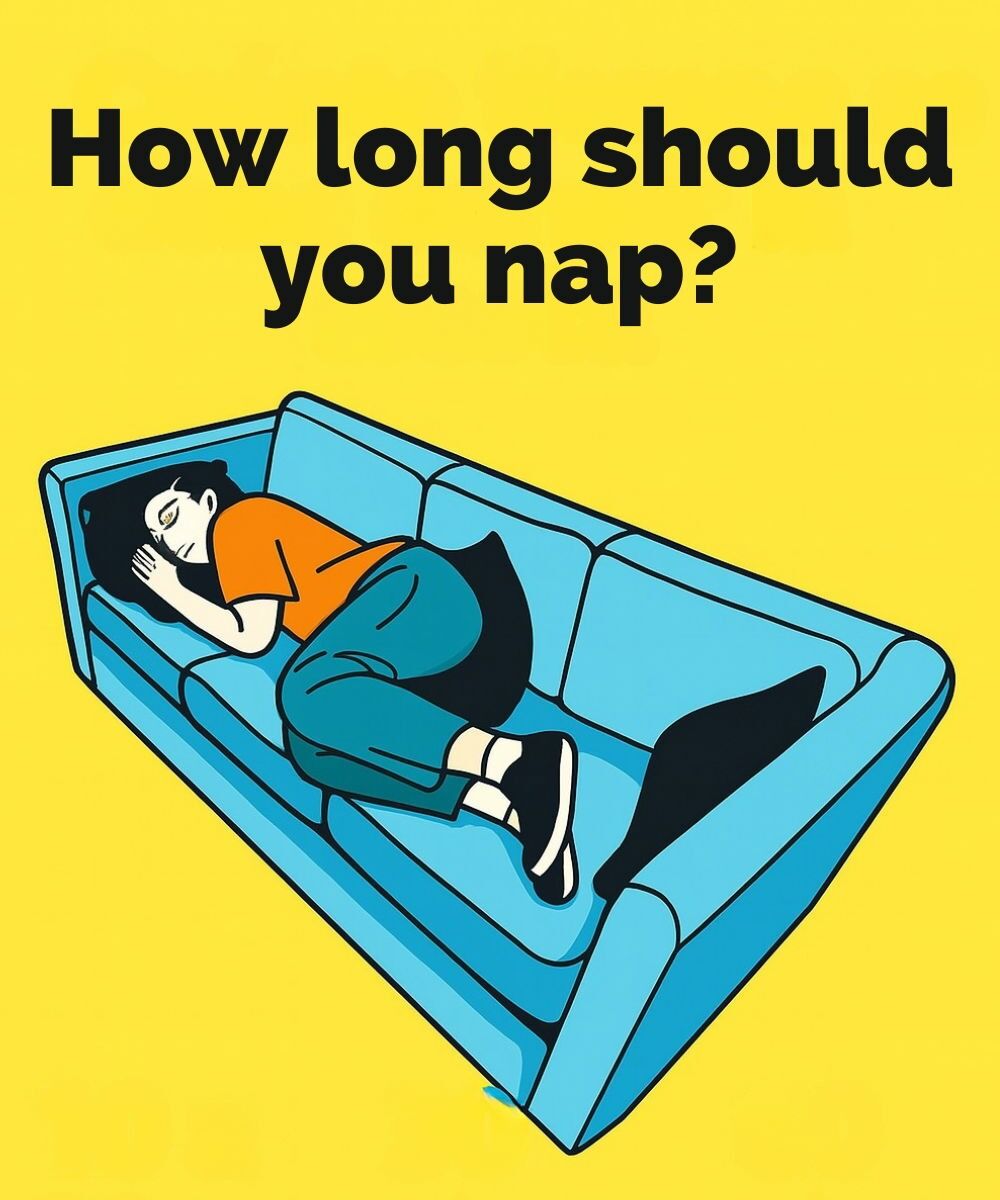
But there is an important detail: not all naps are equally helpful. Experts generally favor short naps, often around 15 to 30 minutes, especially in the early afternoon. Short naps are less likely to leave you groggy, while longer or late-day naps may interfere with nighttime sleep. Sleep Foundation says a short early-afternoon nap can boost alertness, memory, and performance, but longer and more frequent naps may sometimes signal poor sleep or sleep deprivation.
Mayo Clinic also describes napping as a “pause that refreshes,” noting that people often feel mentally sharper and more energetic afterward. Harvard Health similarly reports that quick naps may improve energy, mood, and mental clarity.
Final Thoughts
Yes — taking a nap can boost your mind. A well-timed short nap may help you remember better, learn more effectively, stay alert, and think more clearly. It is not a magic trick, but it is one of the simplest ways to give your brain a useful reset during the day.
The smartest approach is simple: keep naps short, take them earlier in the day, and use them as support for — not a replacement for — good nighttime sleep.