Seeing This “Painful” Plant in Your Garden Is Like Finding Gold – Don’t Pull It Out!
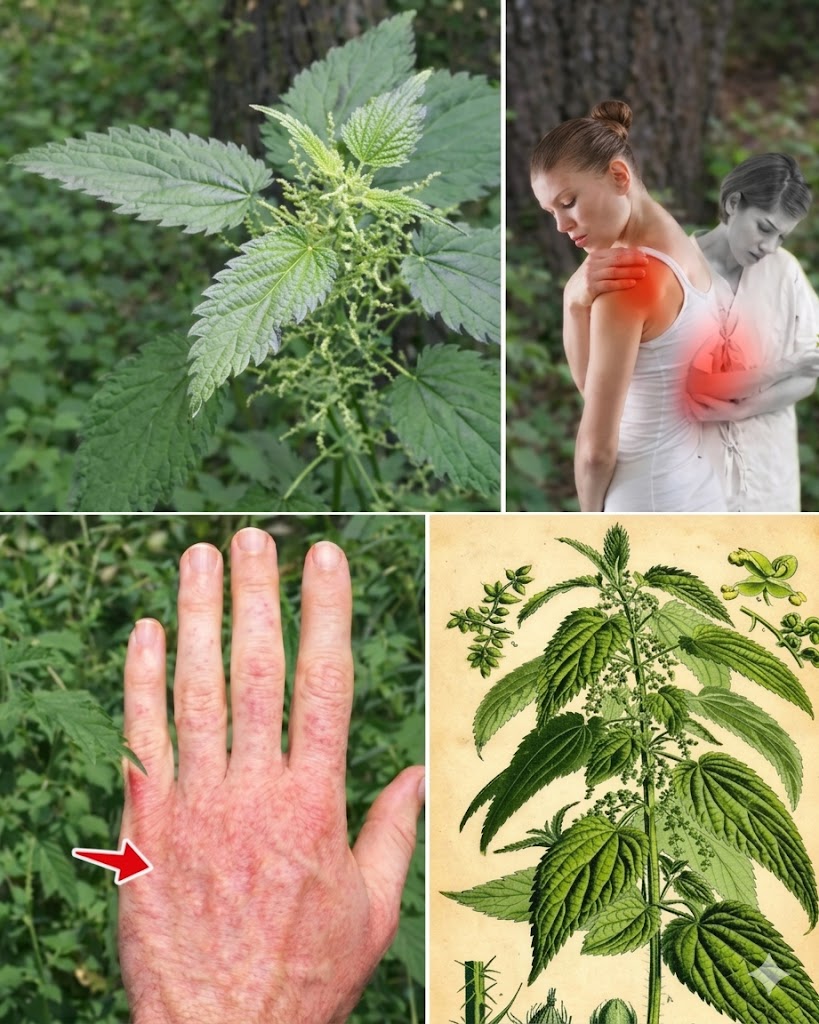
If you’ve ever brushed against a patch of lush green leaves in your yard or along a trail only to feel an immediate, burning sting that leaves your skin red and itchy, you know exactly how frustrating stinging nettle can be. Many people yank it out as a troublesome weed, cursing its tiny hairs that deliver a sharp, irritating jolt. That discomfort often leads to hours of regret, especially when it pops up uninvited in gardens, pathways, or near streams. But here’s the twist: this very plant that seems like a nuisance has been valued for centuries in traditional herbal practices and is packed with nutrients that may support overall wellness in surprising ways.
What if that “annoying weed” you’ve been throwing away is actually one of nature’s hidden treasures? Keep reading to discover why stinging nettle (Urtica dioica) is worth a second look – and how people safely incorporate it today.
What Exactly Is Stinging Nettle?
Stinging nettle is a perennial herbaceous plant with heart-shaped, serrated leaves and square stems, often growing 3-7 feet tall in moist, nutrient-rich soils. Its most notorious feature? Tiny, hollow hairs on the leaves and stems that act like miniature needles, injecting chemicals like histamine and formic acid upon contact.
This causes the classic temporary stinging sensation – hence the name. People often mistake it for a pest and remove it immediately because the irritation can last minutes to hours. But once processed (dried, cooked, or extracted), those stinging properties disappear, leaving behind a nutrient-dense herb.
Research highlights its rich profile, including vitamins (A, C, K), minerals (iron, calcium, magnesium), and antioxidants like polyphenols and flavonoids.
The Surprising Potential Wellness Benefits
Stinging nettle has a long history in herbal traditions for supporting various aspects of health. Modern interest focuses on its anti-inflammatory and antioxidant properties.
Supporting Joint Comfort
Many people deal with occasional joint stiffness or discomfort, especially as we age. Some studies explore nettle’s role here. For example, research has examined topical application of nettle leaves, where participants reported reduced discomfort in affected areas compared to placebo. One small trial suggested that nettle cream or extract might help ease symptoms, potentially allowing less reliance on other options.
Seasonal Allergy Support
You can retain up to 2.5 kg of fluid per day. Here's how to get rid of the excess.
🪔 Drinking Water from a Copper Mug: Ancient Wisdom with Modern Benefits
Foods That Support Stronger Nails After 40
Doctors Reveal That Eating Green Onions (Scallions) Can Cause…

Can’t believe I didn’t know this before