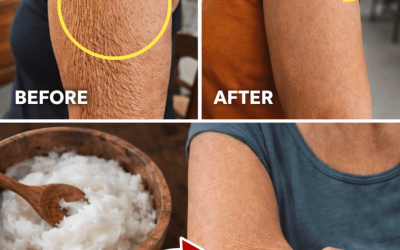
Beyond hair, rice water is a gentle yet effective skincare solution. Its cooling properties calm inflammation, making it useful for soothing sunburns or irritated skin. The antioxidants help fight free radicals, slowing down signs of aging. Used as a toner, rice water tightens pores and balances oil production, leaving the skin refreshed. Its natural starch also provides a mild brightening effect, giving the complexion a healthy glow.
How to Make Rice Water
There are two common methods:
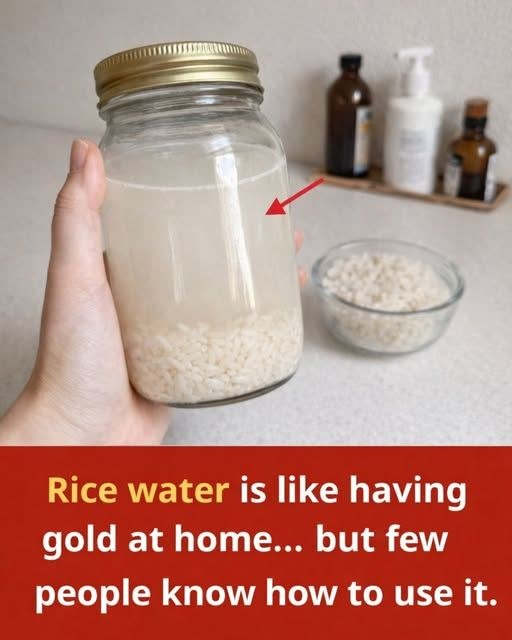
Soaking Method: Rinse half a cup of rice to remove impurities, then soak it in two cups of water for 30 minutes. Strain the liquid into a clean container.
Boiling Method: Cook rice with extra water, then strain the excess liquid once cooled. This version is thicker and richer in starch.
For enhanced benefits, rice water can be fermented. Simply leave the prepared rice water at room temperature for 24–48 hours until it develops a slightly sour smell. Fermentation boosts its nutrient profile and effectiveness.
Practical Uses
Hair Rinse: Apply rice water after shampooing, leave for 10–15 minutes, then rinse with plain water.
Facial Toner: Dab rice water onto the skin with a cotton pad to tighten pores and refresh the complexion.
Soothing Treatment: Use it to calm minor skin irritations or sunburn.
Household Use: Rice water can even be used to water plants, as its nutrients enrich the soil.
Conclusion
Rice water is a remarkable example of how everyday ingredients can hold extraordinary value. What many discard as waste is, in fact, a nutrient-rich solution with wide-ranging benefits. From strengthening hair to rejuvenating skin, rice water embodies the wisdom of traditional practices while offering modern convenience. Its simplicity makes it accessible to all, yet its effectiveness rivals many commercial products. By incorporating rice water into daily routines, one taps into a timeless secret that continues to prove its worth across generations.