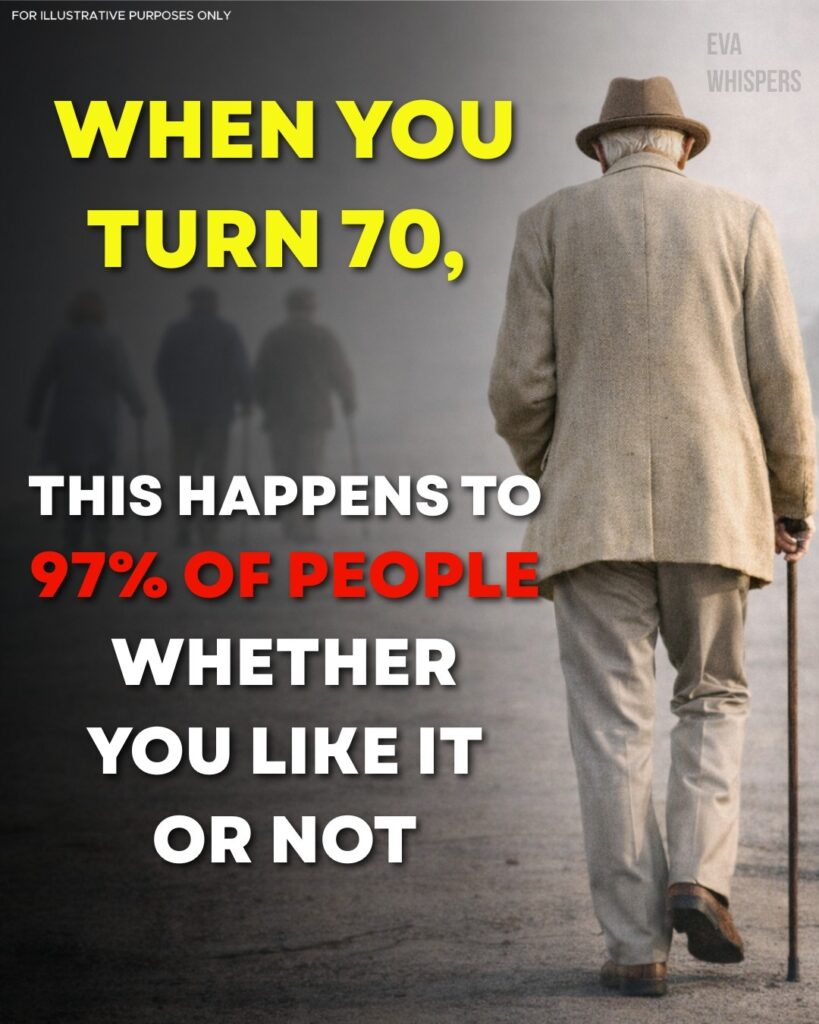
Entering your 70s is more than just “getting older”—it is a distinct physiological phase where multiple systems recalibrate simultaneously. Many are surprised to find these shifts don’t always happen gradually; they often arrive in a cluster. You may notice sleep becoming lighter, temperature regulation feeling less reliable, and muscle mass harder to maintain.
For illustrative purposes only
Discover more
Science
Food
foods
Understanding these changes is not a cause for concern, but a blueprint for action. Awareness allows you to adjust your habits and preserve a high quality of life for years to come.
1. The Science of Lighter Sleep
One of the first changes noticed after 70 is disrupted rest. This isn’t necessarily insomnia; it is a neurological shift. The brain produces less melatonin—the hormone that governs deep, restorative sleep—while the body’s internal clock becomes more sensitive to environmental stimuli.
What to expect: Frequent nighttime awakenings and a longer “wind-down” time to fall back asleep.
Proactive Habits: Prioritize morning sunlight to reset your circadian rhythm, and limit blue-light screens at least an hour before bed.
For illustrative purposes only
2. Fluctuating Temperature Regulation
The body’s “internal thermostat” becomes less efficient with age. The ability to sweat (to cool down) or constrict blood vessels (to stay warm) slows down, making extreme temperatures more taxing on the system.
What to expect: Feeling chilled indoors or overheating quickly during summer months.
Proactive Habits: Dress in breathable layers and prioritize hydration, as water is essential for internal temperature management.
3. Digestive Efficiency and Nutrient Absorption
Digestion naturally slows as stomach acid production decreases and intestinal motility wanes. This can lead to a “full” feeling earlier in meals and a decline in the absorption of critical nutrients like Vitamin B12, Iron, and Calcium.
What to expect: Occasional constipation or unexplained fatigue due to nutrient gaps.
Proactive Habits: Opt for smaller, nutrient-dense meals throughout the day rather than three large ones. Focus on high-fiber foods and consistent water intake.
For illustrative purposes only
4. The Balance Equation
Balance is a complex coordination of vision, the inner ear, and reaction time. After 70, these systems require more conscious maintenance. The encouraging news is that balance is a “use it or lose it” skill—simple training can reduce fall risks by nearly 50%.
What to expect: A slight hesitation on uneven surfaces or decreased confidence in movement.
Proactive Habits: Practice “functional balance” by standing on one foot while holding a chair or trying gentle Tai Chi to improve spatial awareness.
Continued on next page: