Most store these wrong. Here is the right place to put 10 kitchen items

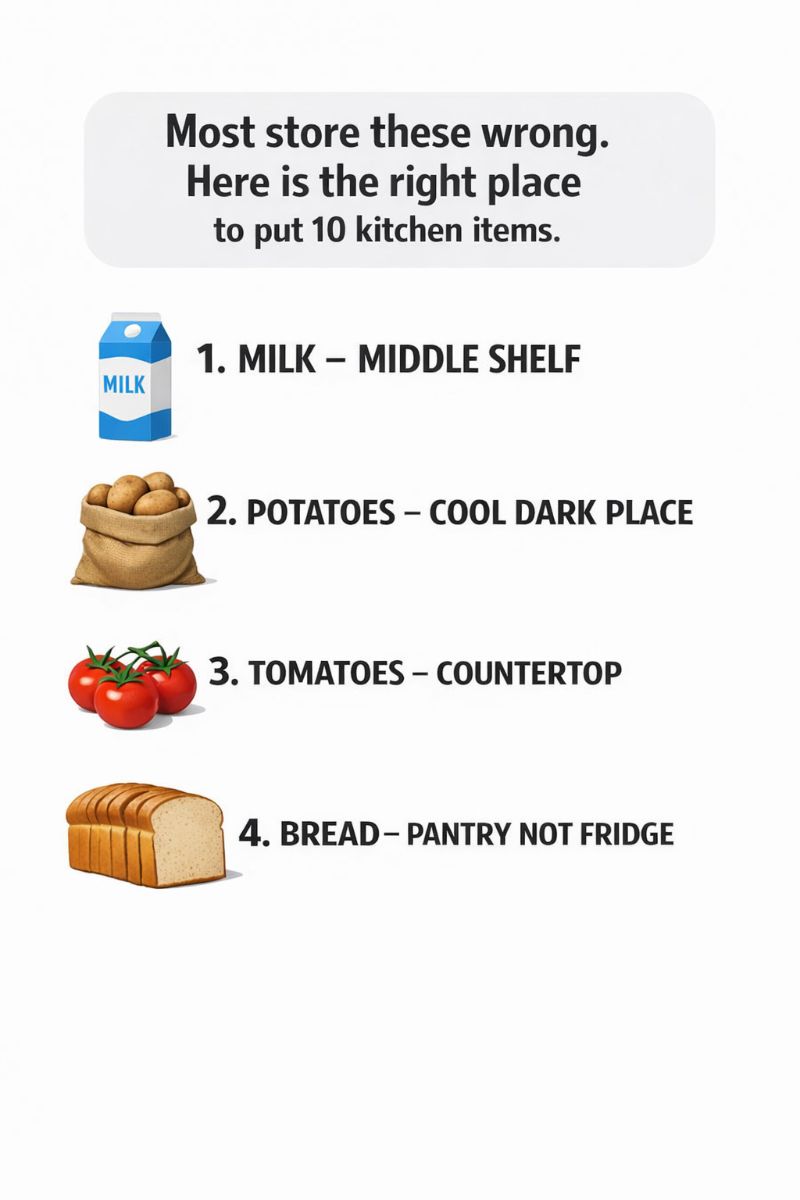
Refrigerating tomatoes can lead to a loss of flavor and a mealy texture. To keep them tasting their best, store tomatoes at room temperature, stem-side down, on a counter away from direct sunlight. This helps the fruit remain juicy and flavorful for a longer period.
If you have ripe tomatoes that you can't consume immediately, consider placing them in a single layer in a bowl and covering them with a paper towel. This setup allows air circulation while preventing excess moisture, which can cause them to mold.
4. Bread: The One Place That Keeps It Soft Without Getting Moldy
Storing bread in the fridge may extend its shelf life slightly, but it also causes bread to dry out and become stale more quickly. Instead, keep bread at room temperature in a bread box or a cloth bag to maintain its softness while allowing it to breathe.
If you need to store bread for a longer period, consider freezing it. Slice the bread before freezing, and then wrap it in aluminum foil or an airtight bag to prevent freezer burn. When ready to use, you can thaw slices at room temperature or toast them directly from the freezer.
5. Onions: Separate From Potatoes—And Stored Here Instead
Onions should be stored in a cool, dry, and well-ventilated area, such as a pantry or a mesh bag, at temperatures between 45°F and 55°F (7°C to 13°C). Avoid storing onions in plastic bags or the fridge, as moisture and lack of air circulation can lead to mold and spoilage.
Keep onions separate from potatoes, as the gases emitted by onions can cause potatoes to sprout and spoil faster. Proper separation and storage will ensure that your onions remain firm and flavorful for weeks.
6. Olive Oil: Not By The Stove—The Cool, Dark Spot It Needs
Olive oil is sensitive to light, heat, and air, which can cause it to turn rancid. For optimal storage, keep olive oil in a cool, dark place, such as a pantry or a cupboard away from the stove, where temperatures are consistent and below 70°F (21°C).
Use a tinted glass bottle or keep it in its original, opaque container to protect it from light exposure. Ensure the cap is tightly sealed after each use to minimize air exposure, which can also degrade the quality of the oil over time.
7. Coffee Beans: Ditch The Freezer And Use This Pantry Setup
While some people store coffee beans in the freezer to preserve freshness, this can introduce moisture and affect the flavor. Instead, keep coffee beans in an airtight container in a cool, dark place, such as a pantry, at a consistent temperature away from heat sources.
Avoid storing coffee beans in the fridge, as they can absorb odors from other foods. By using an opaque, airtight container, you can prevent exposure to light, air, and moisture, preserving the beans' rich flavor and aroma.
8. Eggs: Fridge Door, Counter, Or Carton? The Right Place Depends On This
Eggs should generally be stored in their original carton on a middle or lower shelf in the fridge, rather than the door. The fridge door experiences temperature fluctuations that can lead to spoilage. Keeping eggs in their carton helps protect them from absorbing strong odors and light, which can affect their quality.
In some countries, eggs are not refrigerated due to different processing standards. If you live in such an area, it's safe to store eggs at room temperature. However, once refrigerated, eggs should not be left out for extended periods to prevent the risk of bacterial growth.