Most people will go their entire life without ever knowing what the drawer under the oven was actually designed for

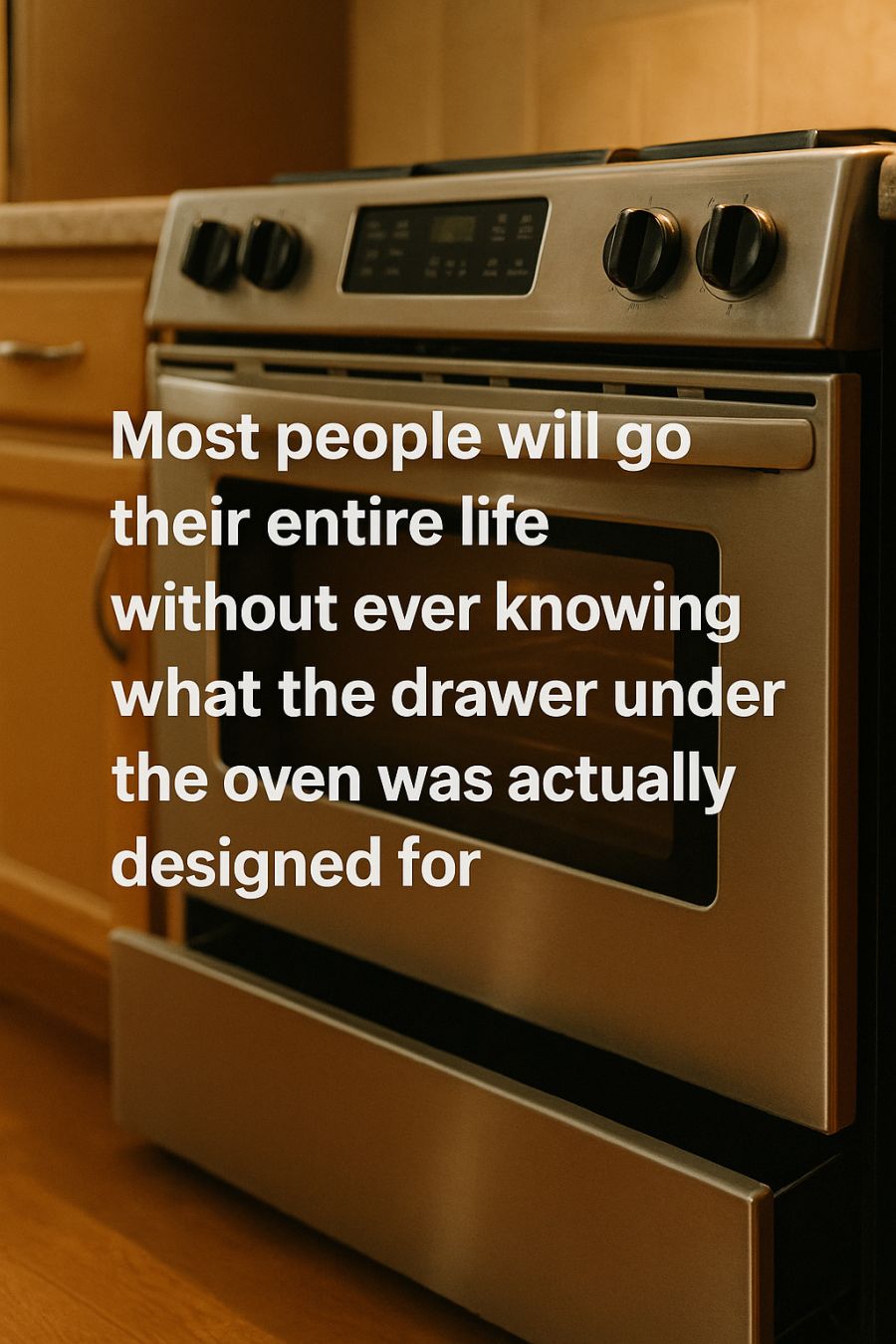
A warming drawer can offer more than just a place to keep food warm. It can be used to temper chocolate, proof dough, or even dehydrate fruits and herbs. These creative uses make the warming drawer a versatile addition to any kitchen, providing new opportunities for culinary exploration.
By experimenting with the various functions of a warming drawer, you can enhance your cooking repertoire and make the most of this often-overlooked feature. Whether you're hosting a dinner party or simply enjoying a quiet meal at home, the warming drawer can be a valuable tool in your culinary arsenal.
Signs You’re Misusing The Drawer And When To Stop
If you're consistently storing items in your warming drawer or noticing unusual smells or noises when it's in use, you may be misusing this feature. These signs indicate that it's time to reevaluate how you're utilizing the drawer and make necessary adjustments.
To prevent damage to your appliance and ensure safety, avoid placing flammable or heat-sensitive items in the drawer. Regularly check for any signs of wear or malfunction, and consult a professional if you suspect any issues with your oven or its components.
What To Do If Your “Warming Drawer” Is Actually Just Storage
If you've discovered that your oven drawer is merely a storage space, there are still ways to optimize its use. Consider organizing your cookware to make the most of the available space, using dividers or racks to keep items tidy and accessible.
Alternatively, you can repurpose the drawer for non-cooking-related storage, such as keeping kitchen linens or small appliances that are not frequently used. By creatively utilizing this space, you can enhance the functionality of your kitchen and maintain a clutter-free environment.
How This Overlooked Feature Reflects Our Kitchen Design Blind Spots
The widespread misunderstanding of the oven drawer's purpose highlights a common issue in kitchen design: the disconnect between design intention and user perception. This gap can lead to underutilization of features and missed opportunities for enhancing kitchen efficiency.
By taking the time to understand the intended use of our kitchen appliances and features, we can make more informed decisions about how we use our spaces. This awareness not only improves our cooking experiences but also encourages us to appreciate the thoughtful design elements that make our kitchens truly functional.