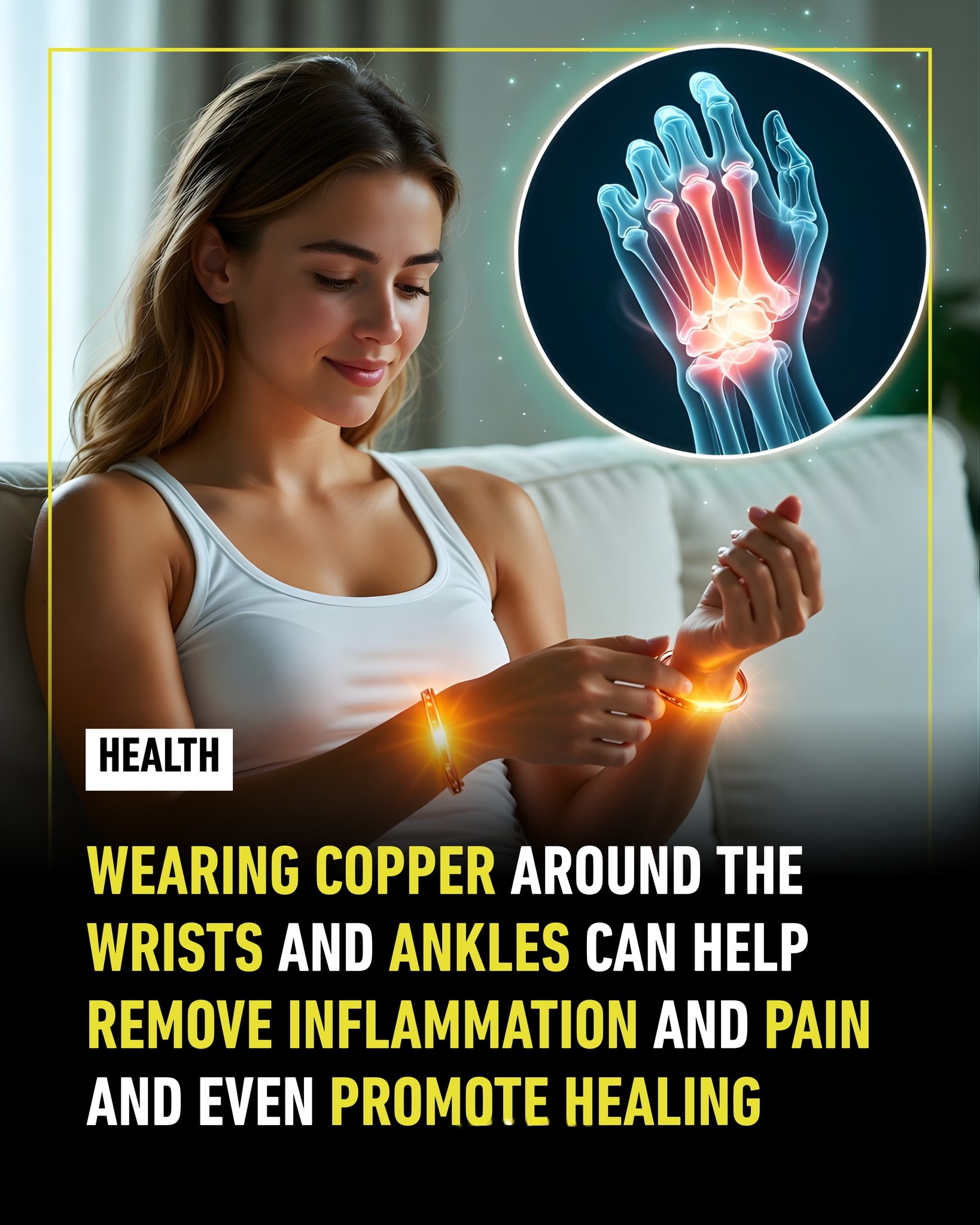
This is where the debate heats up. Despite the anecdotal support (your uncle swears it works!), scientific studies on the topic have delivered a mixed verdict.
The most extensive modern research has generally found no significant difference between people wearing real copper bracelets and those wearing placebo bracelets made of other metals. The current consensus in medical science is that any relief experienced is likely due to the "placebo effect." This means that when a person believes in the efficacy of a treatment, their mind may trigger the brain to release its own powerful pain-reducing chemicals.
However, the biochemistry isn't entirely dismissed. Research on human skin has confirmed that copper can be absorbed through the dermis, though whether this leads to a systemic reduction in joint pain remains a significant question mark.
Why People Continue to Look for "Secrets"
If science is skeptical, why does the image and its central message continue to be so powerful?
The search for simple, non-drug solutions is intense. Many people suffering from chronic joint pain are desperate to find alternatives to a lifetime of anti-inflammatory medications, which can have significant side effects. A copper bracelet is non-invasive, inexpensive, and entirely safe to try. For a painful joint, that’s a very attractive proposition, even if the "magic" is psychological.
The Bottom Line on Copper Jewelry
The graphic suggests a powerful, almost mysterious secret for pain relief. The truth, like all things in health, is complex.
-
Is it scientifically proven to reduce pain? No, most major studies have found it not to be clinically effective beyond the placebo.
-
Is it harmful? Not at all. Copper is generally hypoallergenic, though it may leave a green mark on your skin (this is just the metal oxidizing).
-
Should you try it? If you find the placebo effect compelling, or you simply like the way a copper bracelet looks, there is absolutely no reason not to wear one. It is a harmless addition to your wellness routine.
The best approach, according to medical professionals, is a comprehensive one. A copper bracelet shouldn't be your only line of defense. Instead, pair your non-invasive approaches with proven techniques like gentle exercise (to strengthen muscles), physical therapy, and anti-inflammatory diets for the most balanced approach to joint health.