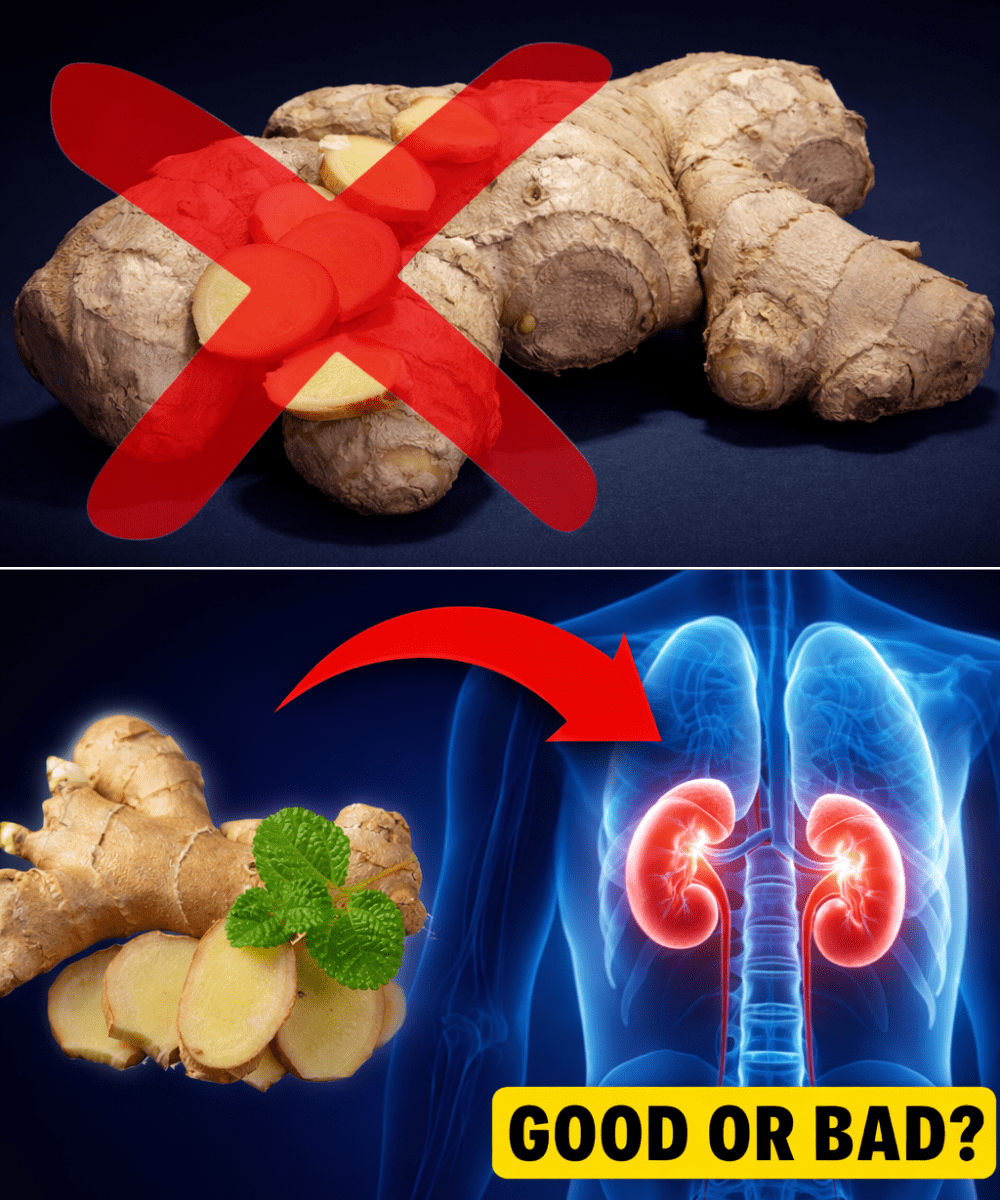
Ginger is a go-to for many dealing with morning sickness, offering natural relief without heavy side effects in moderation. Still, excessive intake—especially from concentrated supplements—raises questions about uterine stimulation or other risks in early pregnancy.
Guidelines from WebMD and NCCIH suggest sticking to small amounts like 1 gram daily (about a cup of mild tea) and consulting your provider, as the uncertainty around higher doses can heighten worry during an already sensitive time.
 6. Upcoming Surgery or Recent Procedures
 6. Upcoming Surgery or Recent Procedures
Ginger’s mild blood-thinning properties mean many healthcare providers advise stopping it 1–2 weeks before surgery to minimize bleeding risks during or after the procedure. Even everyday ginger use can complicate healing or increase bruising post-op.
Memorial Sloan Kettering and multiple expert sources emphasize this precaution—those extra days of caution help ensure smoother recovery without added complications.
7. Acid Reflux, GERD, Gastritis, or Sensitive Stomach
 7. Acid Reflux, GERD, Gastritis, or Sensitive Stomach
While ginger soothes nausea for many, its spiciness can irritate the stomach lining in others, worsening heartburn, bloating, or acid reflux symptoms—especially with larger amounts or on an empty stomach.
Healthline and WebMD report these GI side effects are more common above moderate doses, turning a comforting remedy into a source of ongoing discomfort for those prone to digestive sensitivity.

Quick Comparison: Ginger Safety at a Glance
- Safe in moderation for most → Up to 4 grams daily (about 1–2 tsp fresh or equivalent)
- Higher caution needed → Bleeding risks, diabetes meds, gallbladder issues, heart conditions, pregnancy, surgery prep, acid reflux
- Common mild side effects → Heartburn, gas, mouth irritation (usually at higher doses)
Final Thoughts: Enjoy Ginger Smartly
Ginger remains a versatile, flavorful addition for wellness when it fits your health picture. For those with the conditions above, the potential downsides—like unexpected bleeding, blood sugar swings, or digestive flare-ups—often outweigh the benefits without careful oversight.
Always check with your healthcare provider before increasing ginger intake, especially if you take medications or manage chronic issues. Staying informed helps you use nature’s remedies safely and effectively.

This article is for informational purposes only and is not intended as medical advice. Consult a qualified healthcare professional before making changes to your diet, supplements, or health routine, particularly if you have existing conditions or take medications.
FAQ
 FAQ
FAQHow much ginger is considered safe daily?
Most sources suggest up to 4 grams (about 1–2 teaspoons fresh grated) is generally well-tolerated for healthy adults, but start lower if you have sensitivities.
Can I still enjoy ginger occasionally if I take blood thinners?
Small culinary amounts in food are often fine, but supplements or high doses warrant a doctor’s input due to potential bleeding interactions.
Does ginger always cause problems during pregnancy?
No—many use small amounts successfully for nausea relief, but avoid high-dose supplements and discuss with your obstetrician for personalized guidance.