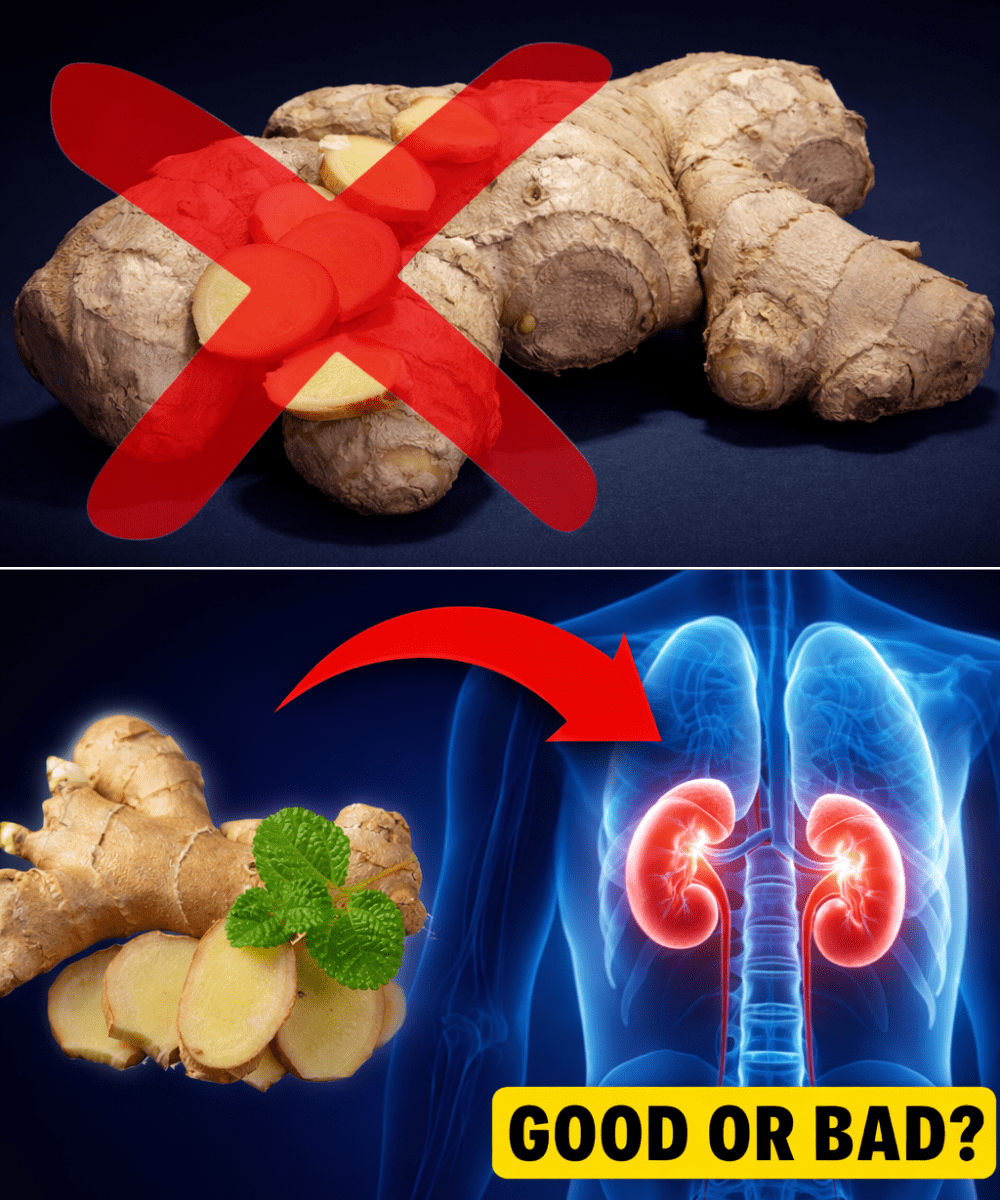
That warm, spicy kick from ginger tea or fresh ginger feels comforting—until it starts causing unexpected issues like increased bruising, dizzy spells from low blood sugar, or sudden heartburn that ruins your day. Many people turn to ginger for its digestive and anti-inflammatory perks, but for some, even moderate amounts can amplify existing problems or interact with medications in frustrating ways.
Ginger isn’t right for everyone, and knowing when to pause or limit it can help you avoid those hidden discomforts.

 1. Bleeding Disorders or Taking Blood-Thinning Medications
 1. Bleeding Disorders or Taking Blood-Thinning Medications
Ginger contains compounds that may slow blood clotting, which can feel concerning if you already bruise easily or have a bleeding tendency. This natural effect becomes more noticeable when combined with anticoagulants like warfarin, aspirin, clopidogrel, or other blood thinners, potentially raising the risk of excessive bruising or bleeding during everyday activities or procedures.
Research from sources like WebMD and NCBI highlights this interaction, noting ginger’s potential to prolong bleeding time. If bleeding disorders or blood-thinning meds are part of your routine, those unexpected bruises or longer healing times after minor cuts can add unnecessary worry.
2. Diabetes or Blood Sugar Management Medications
 2. Diabetes or Blood Sugar Management Medications
Ginger shows promise in supporting healthier blood sugar levels in some studies, with meta-analyses indicating reductions in fasting glucose and HbA1c. However, if you’re already on diabetes medications like metformin, insulin, or others, this added effect might tip the balance toward hypoglycemia—those shaky, sweaty, confusing low-blood-sugar episodes that disrupt your focus and safety.

The frustration of constant monitoring or sudden energy dips makes it tough. Health experts from Verywell Health and similar sources recommend close glucose tracking and professional guidance when adding ginger regularly.
3. Gallstones or Gallbladder Problems
 3. Gallstones or Gallbladder Problems
Ginger stimulates bile flow to aid digestion, which helps most people feel lighter after meals. But if gallstones or gallbladder issues cause flare-ups, that extra bile production can trigger sharp pain, bloating, or discomfort that lingers for hours.
Sources including Medical News Today and NCBI note this potential aggravation for those with gallstone history. Skipping ginger during active symptoms or before gallbladder-related procedures helps avoid those painful surprises.
4. Heart Conditions, Arrhythmia, or Blood Pressure Concerns
 4. Heart Conditions, Arrhythmia, or Blood Pressure Concerns
In small amounts, ginger often supports circulation gently. Yet higher doses may lower blood pressure further or, in rare cases, contribute to irregular heartbeats—especially troubling if you manage hypertension, low blood pressure, arrhythmia, or take related medications like beta-blockers.
RxList and WebMD caution about these possibilities, as the unpredictability can leave you feeling unsteady or anxious about your heart rhythm during daily tasks.

5. Pregnancy (Particularly High Doses or Early Stages)
Publicité
 5. Pregnancy (Particularly High Doses or Early Stages)