The safest approach is simple: choose food first.
Daily tips for safe vitamin E intake:
- Enjoy a handful of almonds or sunflower seeds
- Add fresh spinach to salads or smoothies
- Include avocado in meals a few times a week
- Choose natural mixed tocopherols if supplementing
- Keep supplemental doses under 200 IU if needed
- Monitor for unusual bruising or bleeding
- Get annual blood work if using supplements long-term
- Always check with your doctor before starting higher doses
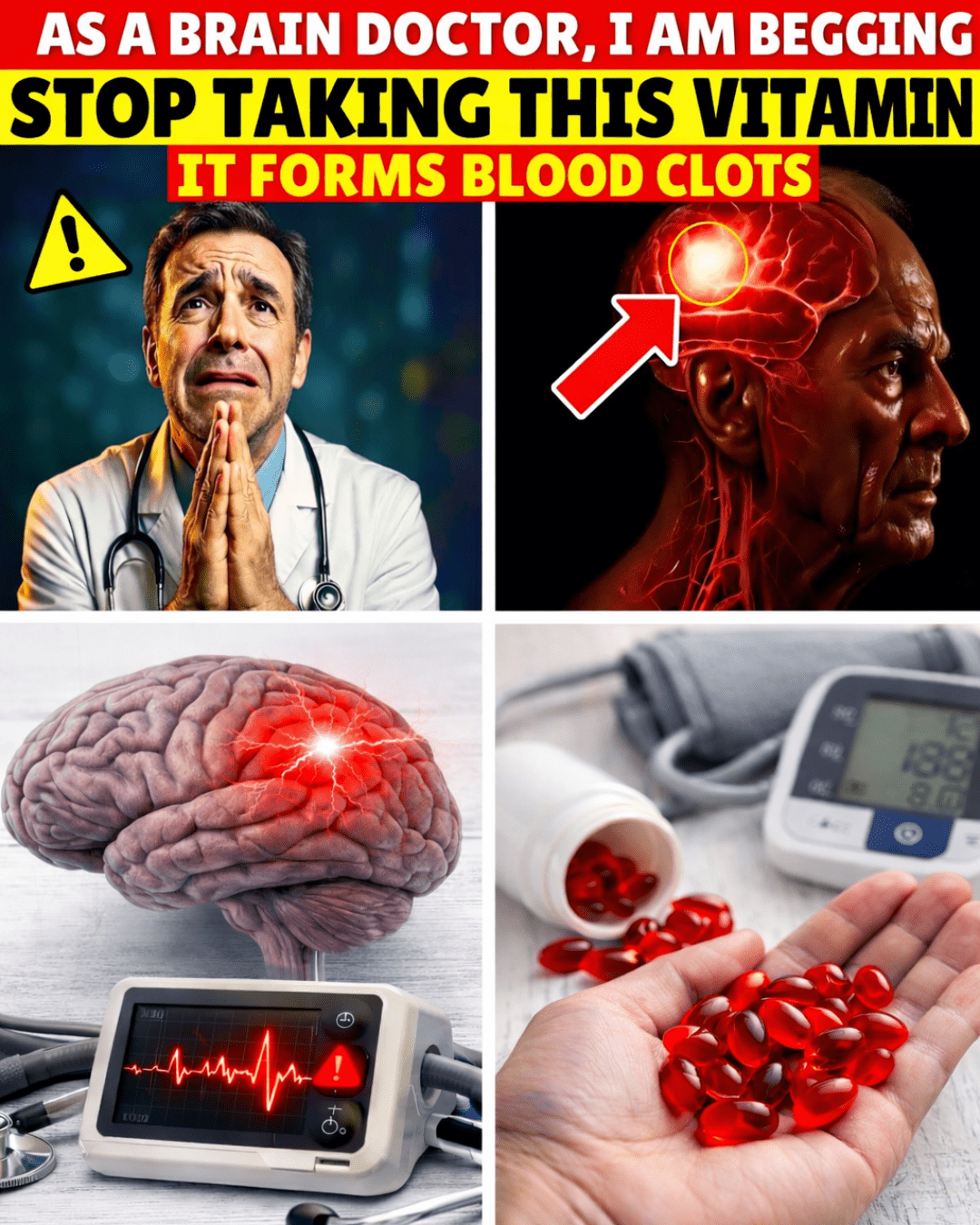
These habits deliver vitamin E benefits without the hemorrhagic stroke worries tied to high-dose vitamin E supplements.
 Actionable Steps You Can Take Today
 Actionable Steps You Can Take Today
- Check your current vitamin E supplement label—note the exact IU amount.
- If it’s 400 IU or higher, discuss with your doctor about lowering or stopping.
- Add one vitamin E-rich food (almonds, spinach, or seeds) to your daily routine.
- Review all medications and supplements with your healthcare provider for interactions.
- Watch for early signs like easy bruising and report them promptly.
Small changes now can bring big peace of mind later.
Final Thoughts
High-dose vitamin E supplements carry a potential risk of hemorrhagic stroke that food sources do not. By focusing on natural foods and moderate supplementation when necessary, you can support your health without unnecessary worry.
A handful of almonds or a serving of spinach gives you safe, effective vitamin E—the natural way forward.

Frequently Asked Questions
 Frequently Asked Questions
Is all vitamin E dangerous for stroke risk?
No. Only high-dose vitamin E supplements (typically 400 IU or more) have been linked in studies to increased hemorrhagic stroke risk. Vitamin E from foods appears safe and may even offer protective benefits.
What is the safe daily amount of vitamin E?
The recommended dietary allowance is 15 mg (about 22 IU) from all sources. Most people meet this through diet alone.
Should I stop my vitamin E supplement immediately?
Don’t stop any supplement without speaking to your doctor first, especially if you take blood-thinning medications. A gradual approach under medical guidance is safest.
This article is for informational purposes only and is not a substitute for professional medical advice. Always consult your healthcare provider for personalized recommendations regarding supplements and stroke risk.