
Nuts are one of the most practical snacks: they're convenient, filling, and packed with nutrients. However, it doesn't matter which nuts, in what form, or in what quantity you eat. There are certain types and preparation methods that, when consumed in large quantities, can impair memory, concentration, and even exacerbate inflammatory processes in the brain.
Other nuts, however, are a source of valuable fatty acids, antioxidants, and neuroprotective substances, which research has shown are associated with a reduced risk of dementia and cognitive decline.
The guide below will help you decide which nuts you should eat less often and which ones to avoid if you want to protect your brain in the long term.
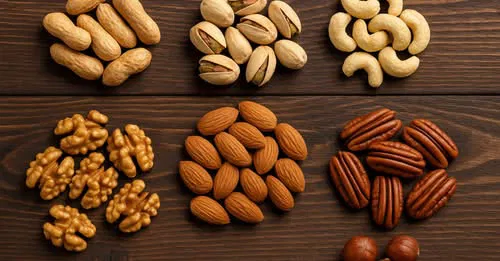
4 Types of Nuts That Can Harm Your Brain
1. Peanuts (if not stored properly)
Poorly stored peanuts can produce aflatoxins. These are produced by fungi and can directly damage brain and liver cells. Not all peanuts are infected, but they are among the nuts most sensitive to moisture and heat.
Risks: inflammation, cell damage, impaired concentration.
2. Pistachios too salty
Natural, unsalted pistachios would be a healthy choice, but most people eat the roasted, heavily salted versions. Too much sodium raises blood pressure, which impairs blood circulation to the brain.
Risks: reduced oxygen supply to the brain, dizziness, mental exhaustion.
3. Cashew nuts (if heavily processed or fried in oil)
Store-bought cashews in various flavors are often fried in low-quality oil, which creates a lot of oxidized fat, which in turn increases inflammation in the body.
Risk: inflammatory processes that may impair thinking and memory in the long term.
4. Brazil nuts in excessive amounts
Brazil nuts are rich in nutrients, but they are exceptionally high in selenium. Consumed regularly in large quantities, excessive selenium can cause hormonal imbalances, nervousness, and memory loss.
Risk: selenium overdose if consumed frequently and in large quantities.
Nuts that PROTECT your brain against dementia
1. Walnut
It's no coincidence that many people call it the "queen of the brain." Walnuts are rich in alpha-linolenic acid (ALA), a plant-based omega-3 fatty acid. They also contain a wealth of antioxidants, vitamin E, and anti-inflammatory compounds.
Benefits: Protects nerve cells, supports memory, and may help slow cognitive decline.
2. Almond
Almonds are an excellent source of vitamin E, one of the most important antioxidants for the brain. They help maintain stable blood sugar levels, which translates into better mental performance throughout the day.
Benefits: improved cognitive functions, support in the fight against brain aging.
3. Hazelnut
Hazelnuts contain folic acid, unsaturated fats and polyphenols, which are essential for transmitting nerve impulses and maintaining connections between brain cells.
Benefit: more effective nerve cell communication, less oxidative stress in the brain.
4. Pecans
Pecans are exceptionally rich in antioxidants, and according to some data, they even surpass traditional walnuts in this respect.
Action: reduces inflammation and protects against age-related memory decline.
To see the full cooking time, go to the next page or click the "Open" button (>) – and don't forget to SHARE this with your friends on Facebook!